


Termites, the silent invaders, can wreak havoc on your beautiful home without you even realizing it. That’s why we’ve put together this comprehensive guide to help homeowners like you identify top termite control methods. Dive into this article to discover effective solutions for protecting your property and ensuring peace of mind for you and your loved ones. The recommendation should account for the termite evidence, accessible areas and treatment history. Ask the provider to explain the proposed work, preparation and any follow-up before deciding. Related service information · Pests
Understanding Termite Infestations
Termites are sneaky little critters that tend to work undercover, making it difficult to detect their presence until they have caused significant damage. These pests are drawn to cellulose, found in wood, paper, and other natural materials around your home. Their continuous munching can lead to structural damage, costing homeowners thousands in repairs. Understanding how termites operate is crucial for effective control.
Identifying the early signs of a termite infestation can save you time and money. Look out for mud tubes along your foundation, hollow-sounding wood, or discarded wings near windows and door frames. Catching them early allows you to implement control methods before the situation worsens.
The Importance of Professional Inspections
When it comes to termite control, a professional inspection is vital. You might wonder why you can’t just rely on DIY methods. Well, termite infestations are often difficult to detect with the untrained eye, making expert evaluations crucial. Professionals possess the experience and tools needed to identify even the most discreet signs of termites. The recommendation should account for the termite evidence, accessible areas and treatment history. Ask the provider to explain the proposed work, preparation and any follow-up before deciding. Preventative
Chemical Treatments
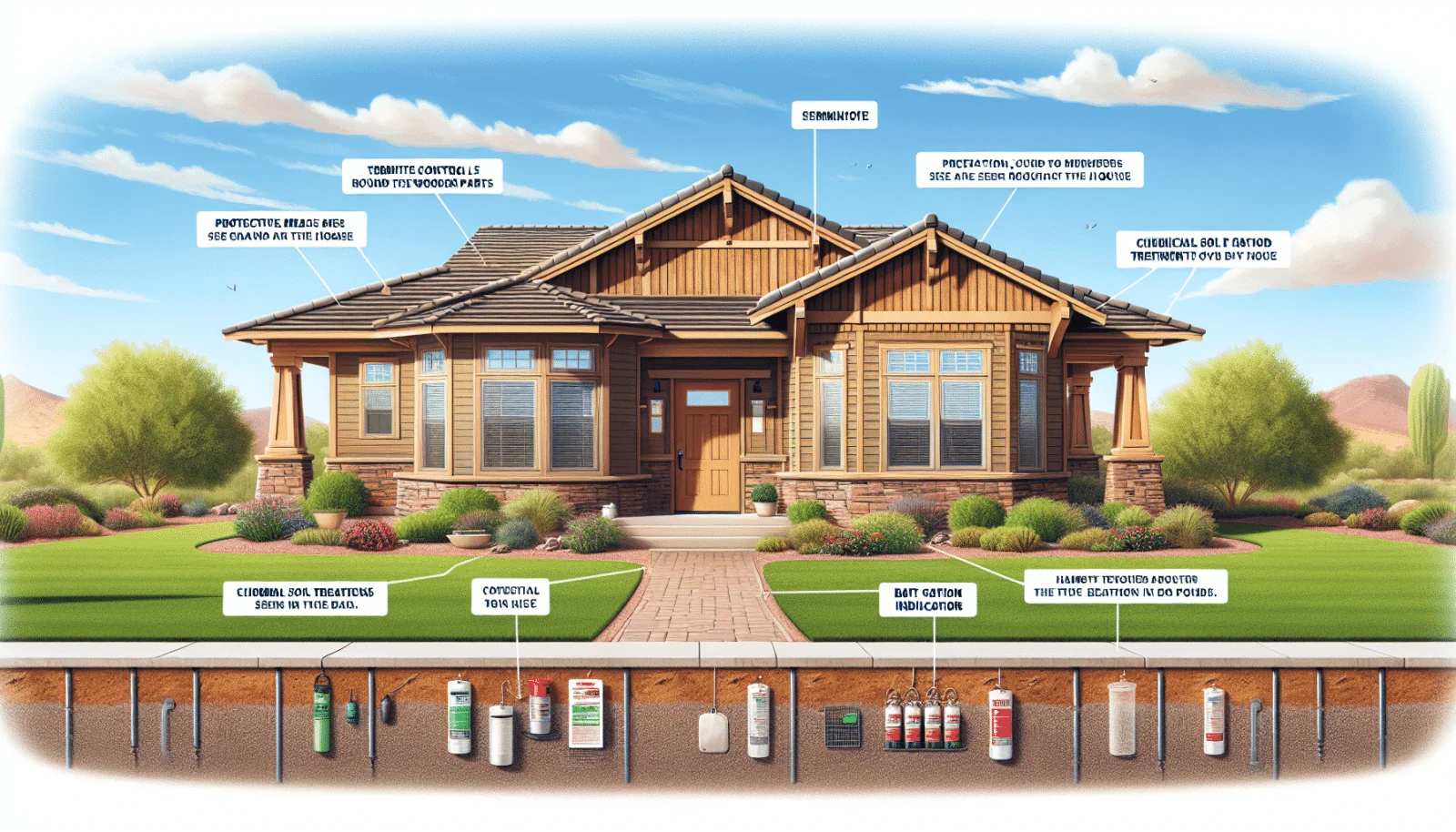
Chemical treatments are among the most reliable methods for addressing termite problems. These treatments work by creating a chemical barrier either in the soil or directly on the wood, which terminates present infestations and prevents future ones. Professionals apply liquid termiticides around the perimeter of your home, providing long-lasting protection. It’s important to choose the right chemicals and apply them correctly, which is another reason professional help is invaluable. With the proper chemicals and techniques, we ensure your home remains termite-free. The recommendation should account for the termite evidence, accessible areas and treatment history. Ask the provider to explain the proposed work, preparation and any follow-up before deciding.
Baiting Systems
Baiting systems are an innovative approach to termite control and offer a more environmentally friendly solution. These systems work by attracting termites to a bait station, where they consume a toxin that they then carry back to the colony. Baiting not only targets individual termites but aims to eliminate entire colonies. The recommendation should account for the termite evidence, accessible areas and treatment history. Ask the provider to explain the proposed work, preparation and any follow-up before deciding.
Physical Barriers
Physical barriers are a preventative measure rather than a Treatment , designed to keep termites from ever reaching your home. These barriers can be installed during the construction phase or when making significant renovations, and they often include materials like stainless steel mesh or specialized sand. While they demand an upfront investment, physical barriers offer durable, long-term protection. By preventing termite entry to begin with, you essentially eliminate the potential for infestation. The recommendation should account for the termite evidence, accessible areas and treatment history. Ask the provider to explain the proposed work, preparation and any follow-up before deciding. Treatment
Wood Treatments
Treating the wood directly is another method for termite control, especially popular for furniture and fixtures. There are various treatments available, including borate sprays and termiticide-infused paints. These applications not only kill existing termites but also act as a deterrent for new ones. Whether you’re dealing with a current infestation or simply looking to prevent one, treating your wood is a wise choice. The recommendation should account for the termite evidence, accessible areas and treatment history. Ask the provider to explain the proposed work, preparation and any follow-up before deciding.
Regular Home Maintenance
One of the simplest and most effective ways to protect your property is through regular home maintenance. Termites thrive in moisture-rich environments, so reducing excess moisture is key.
- Fix Leaks: Repair leaking faucets, roofs, and pipes promptly to reduce water sources for termites.
- Proper Ventilation: Ensure good airflow in crawl spaces and attics to maintain dryness and deter termites.
- Store Wood Away: Keep firewood, lumber, and other wood materials away from your home’s structure.
- Trim Vegetation: Maintain a gap between shrubs and the exterior walls of your home to prevent hidden pathways.
- Monitor Foundation: Regularly check the foundation and crawl spaces of your home for mud tubes and other signs of termites.
Regular home maintenance, coupled with professional inspections, ensures you stay one step ahead of potential termite threats.
Landscaping Considerations
Believe it or not, your garden and landscape play a significant role in Termite Prevention. Certain practices can inadvertently attract termites right to your doorstep. However, with thoughtful landscaping, you can deter them effectively.
Choose mulch wisely, as organic options can attract termites. Instead, consider alternatives like stone or gravel. Plant trees and shrubs with some distance from the home, and always ensure your flowerbeds are well-drained. Simply altering your landscaping can provide a natural deterrent against unwanted visitors.
Discounts and Promotions
Ask for a written estimate identifying the recommended work, price, payment terms and any separate follow-up or renewal charges. Property access, construction and treatment scope can affect the recommendation. Services
Concluding Thoughts and Next Steps
Describe the property, where the evidence appeared and any earlier treatment when requesting an inspection. The service provider can discuss findings, access and the appropriate next step after follow-up. Prevention · 480-660-3093 · Request a Free Inspection