


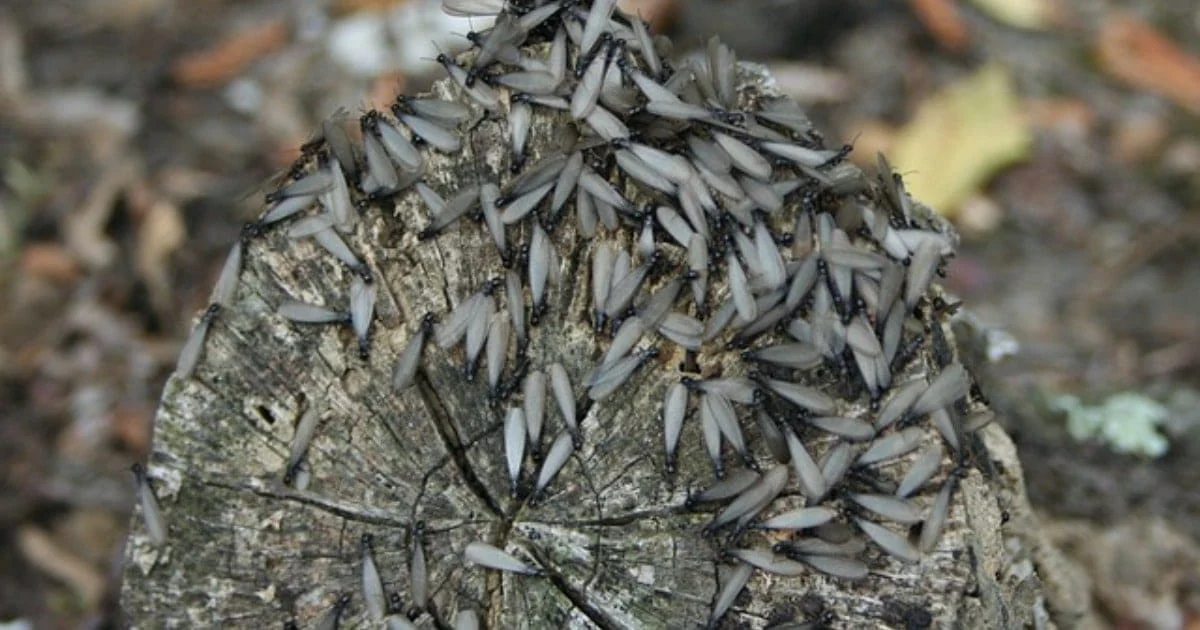
Welcome to our informative guide that delves deep into the mysterious world of termites! In this comprehensive blog post, we’ll uncover the secrets of termite behavior, their role in ecosystems, and most importantly, how to protect your home from their silent destructiveness. The recommendation should account for the termite evidence, accessible areas and treatment history. Ask the provider to explain the proposed work, preparation and any follow-up before deciding.
Introduction: A Brief Overview of Termites
Termites, often called “silent destroyers,” are small insects with a remarkable ability to consume wood relentlessly. The recommendation should account for the termite evidence, accessible areas and treatment history. Ask the provider to explain the proposed work, preparation and any follow-up before deciding.
The Fascinating Lives of Termites: Colony Structure and Roles
Termites live in complex colonies, each with specific roles like workers, soldiers, and even royalty. These roles are crucial to the survival of the colony. Discover the hierarchy within termite societies and learn about their intriguing behaviors.
Termite Diet: What Do These Wood-Munchers Consume?
Have you ever wondered what termites eat? Uncover the details of their diet, which primarily consists of cellulose-rich materials like wood, dead plants, and even paper. Explore the way termites break down these materials with the help of symbiotic bacteria living in their guts.
Termites and Ecosystems: Surprising Environmental Contributions
Believe it or not, termites play a vital role in maintaining ecosystems. From aerating soil to recycling organic matter, termites contribute to the health of our environment in ways you might not expect. Learn about the positive impacts these insects have on nature.
Signs of Infestation: How to Detect Termite Presence
Detecting termite infestations early is crucial to preventing extensive damage to your property. We’ll guide you through the common signs of termite presence, including mud tubes, discarded wings, and hollow-sounding wood. Being vigilant can save you a lot of trouble down the road.
Prevention and Control: Safeguarding Your Home from Termites
Protecting your home from termite damage requires proactive measures. Discover how to keep these unwelcome guests at bay. The recommendation should account for the termite evidence, accessible areas and treatment history. Ask the provider to explain the proposed work, preparation and any follow-up before deciding.
Frequently Asked Questions (FAQs)
Q1: Are all termites destructive to homes? A1: No, while some termites can cause damage to structures, not all are destructive. Subterranean termites are the most common culprits of home damage.
Q2: Can I control termites on my own? A2: DIY termite control is challenging and often ineffective. Professional intervention is recommended for thorough eradication and prevention.
Q3: How fast do termites eat through wood? A3: It depends on factors like termite species, colony size, and environmental conditions. Some colonies can consume a foot of 2×4 wood in less than six months.
Q4: Do termites serve any beneficial purpose? A4: Yes, termites contribute to nutrient cycling and soil aeration, benefiting ecosystems and agricultural productivity.
Q5: What should I do if I suspect a termite infestation? The recommendation should account for the termite evidence, accessible areas and treatment history. Ask the provider to explain the proposed work, preparation and any follow-up before deciding. 480-660-3093 · here
Conclusion: Protect Your Home Today!
Describe the property, where the evidence appeared and any earlier treatment when requesting an inspection. The service provider can discuss findings, access and the appropriate next step after follow-up. 480-660-3093 · here