


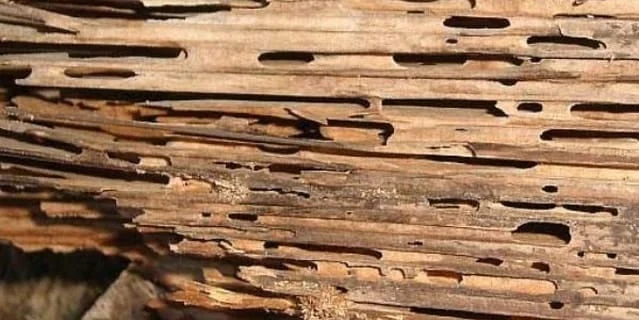
When it comes to termite control, most homeowners focus on protecting their main residence. However, outdoor structures like decks, fences, and sheds are also vulnerable to termite infestations. Neglecting these areas can lead to extensive damage and costly repairs. In this article, we’ll explore the importance of termite control for outdoor structures and provide tips to keep these valuable additions to your property termite-free. The recommendation should account for the termite evidence, accessible areas and treatment history. Ask the provider to explain the proposed work, preparation and any follow-up before deciding.
The Vulnerability of Outdoor Structures
Outdoor structures are often made of wood, making them an attractive target for termites. These structures are also typically closer to the ground, which can provide easy access for termites. Here’s why termite control for outdoor structures is crucial:
1. Costly Repairs
Termites can cause significant damage to outdoor structures, compromising their stability and safety. Repairing or replacing these structures can be expensive.
2. Potential Entry Points
Termites that infest outdoor structures may eventually find their way into your main residence. Preventing infestations in outdoor areas can help protect your entire property.
3. Aesthetic Value
Outdoor structures add beauty and functionality to your property. Termite damage can not only affect their structural integrity but also their appearance.
Tips for Termite Control in Outdoor Structures
1. Use Termite-Resistant Materials
When building or renovating outdoor structures, consider using termite-resistant building materials. Pressure-treated wood, naturally termite-resistant woods like cedar or redwood, and composite materials are good options.
2. Elevate Structures
Whenever possible, elevate outdoor structures off the ground. This can make it more challenging for termites to access the wood.
3. Create Physical Barriers
Install physical barriers like metal flashing or mesh screens to prevent termites from entering outdoor structures. These barriers can be placed between the structure and the soil.
4. Regular Inspections
Include outdoor structures in your regular termite inspections. The recommendation should account for the termite evidence, accessible areas and treatment history. Ask the provider to explain the proposed work, preparation and any follow-up before deciding.
5. Treat with Borate
Consider treating the wood in outdoor structures with borate-based products. Borates are natural minerals that deter termites and other pests.
6. Remove Moisture Sources
Termites are attracted to moisture. Ensure proper drainage around outdoor structures and fix any leaks promptly.
7. Remove Fallen Wood and Debris
Keep your yard free of fallen wood, tree stumps, and debris. These can serve as termite food sources and nesting sites.
8. Educate Yourself
Learn about the signs of termite infestation in outdoor structures and the types of termites common in your area. Knowledge is your best defense.
Describe the property, where the evidence appeared and any earlier treatment when requesting an inspection. The service provider can discuss findings, access and the appropriate next step after follow-up. 480-660-3093 · our website