


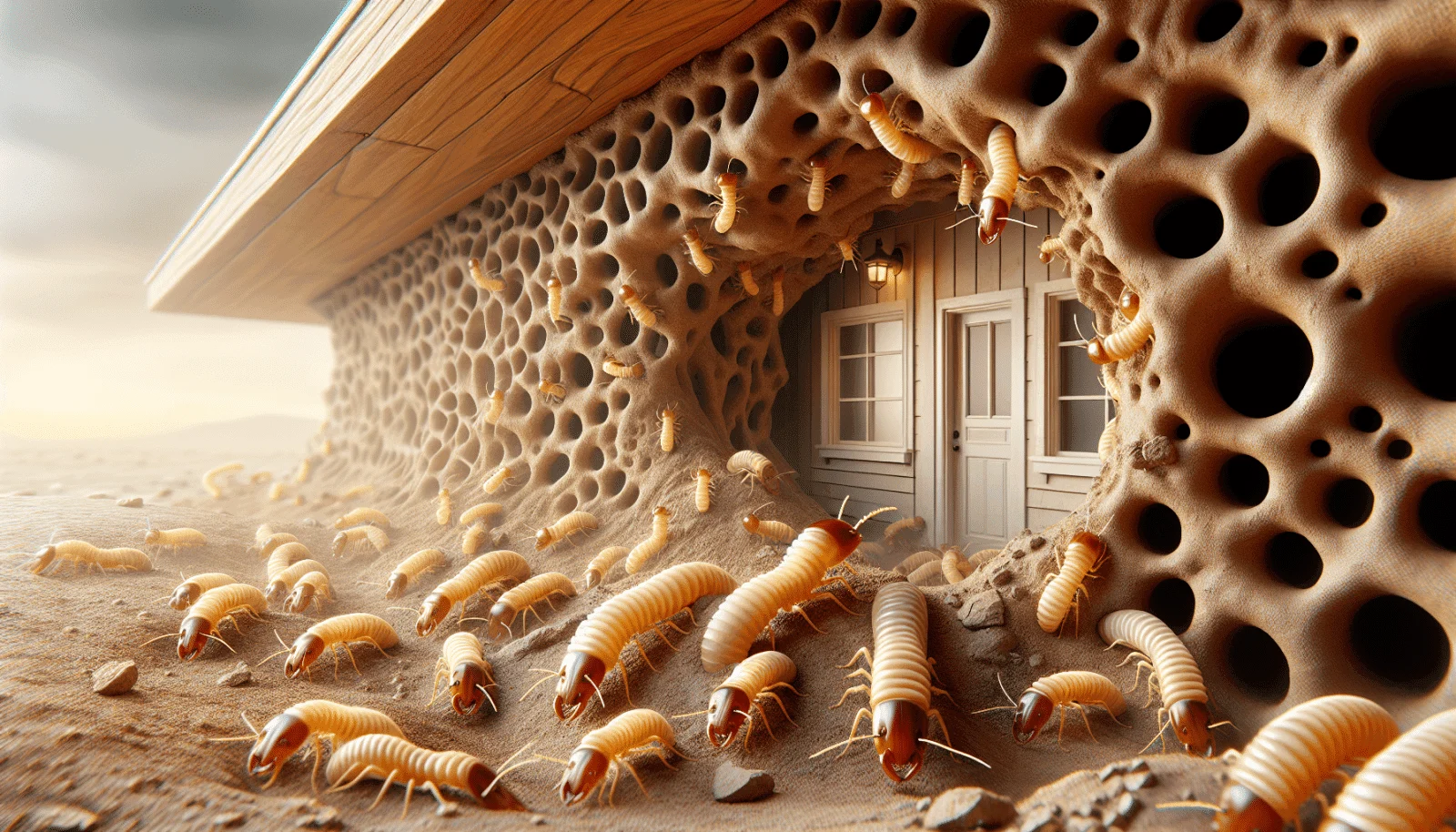
Termites are a homeowner’s nightmare, causing more damage to homes in the United States than storms and fires combined. Understanding the early signs of an infestation is vital in preventing extensive and costly damage. This guide focuses on one of the most common signs of termite activity: mud tubes. By understanding what they are and how to spot them, you’re taking a pivotal step towards protecting your home. The recommendation should account for the termite evidence, accessible areas and treatment history. Ask the provider to explain the proposed work, preparation and any follow-up before deciding. Related service information
What Are Termite Mud Tubes?
Termite mud tubes are the highways of the termite world, crafted from soil, wood cellulose, and termite saliva. These tubes provide a moist environment for termites to travel from their nests to their food sources without exposure to the open air, which can dry them out and lead to their demise. Observing these structures on or within the walls of your home is a clear indicator of a termite infestation.
There are different types of termite tubes, each serving a unique purpose – whether it be for shelter, exploration, or moisture collection. Knowing which type you’re looking at can give insight into the extent and nature of the infestation.
Signs of Termite Mud Tubes
Spotting termite mud tubes is easier than you might think; these structures typically emerge from the ground, extending towards exposed wood or crevices in your home’s foundation. Early detection is paramount in preventing extensive damage. Regularly inspecting your home’s foundation, basement, and crawl spaces can save you from a potential headache and hefty repair bills.
Besides the obvious tubes, winged termites or “swarmers,” discarded wings, frass (termite droppings), and hollow-sounding wood when tapped are also signs of an infestation. If you notice any of these, it’s time to call the professionals.
The Importance of Professional Termite Inspections
While DIY efforts are commendable, when it comes to termites, professional Inspections are non-negotiable. This precision ensures that the Treatment plan is effective and tailored to your home’s specific needs. The recommendation should account for the termite evidence, accessible areas and treatment history. Ask the provider to explain the proposed work, preparation and any follow-up before deciding. Inspections · Treatment
Annual inspections are recommended to catch any new termite activity early on. Remember, termites can cause significant damage before any visible signs appear, making professional evaluations all the more critical.
Questions to discuss with a provider
Our approach is comprehensive, targeting the termites you see and the ones you don’t. The recommendation should account for the termite evidence, accessible areas and treatment history. Ask the provider to explain the proposed work, preparation and any follow-up before deciding. Pests
Treatment methods vary depending on the infestation’s severity and the type of termites present. They can range from bait systems to liquid treatments that create a barrier around your home. Rest assured, we prioritize environmentally friendly options to safeguard your health and the integrity of your property.
Preventative Measures Against Termites
Maintaining a termite-free home requires a proactive approach. Regular maintenance checks, reducing moisture around the home, and promptly addressing leaks and drainage issues can significantly deter termites from viewing your property as their next target. Ensuring there is no direct wood-to-soil contact around your property is also crucial.
Prevention is always more cost-effective than treatment. The recommendation should account for the termite evidence, accessible areas and treatment history. Ask the provider to explain the proposed work, preparation and any follow-up before deciding. Prevention
The Role of Mud Tubes in Termite Life
- Protection from natural predators and external conditions is a primary function of mud tubes, offering termites a safe passage between their colony and food source.
- Moisture Conservation is critical for termites, and mud tubes play an essential role in maintaining a humid environment conducive to their survival.
- Temperature Regulation is achieved through the design of the mud tubes, which helps keep the internal environment stable regardless of external weather conditions.
- Exploration for new food sources is facilitated by the construction of temporary tubes that branch out from the main colony.
- Colony Expansion is supported by mud tubes as they enable termites to safely explore and exploit new areas, helping the colony grow in size and strength.
After Discovering Termite Mud Tubes
Upon discovering termite mud tubes on your property, the first step is not to panic. Instead, resist the urge to break them open or remove them, as this can scatter the colony, making it more challenging to eradicate them completely. The recommendation should account for the termite evidence, accessible areas and treatment history. Ask the provider to explain the proposed work, preparation and any follow-up before deciding.
Early detection and professional intervention are crucial in mitigating the damage and successfully getting rid of termites. The recommendation should account for the termite evidence, accessible areas and treatment history. Ask the provider to explain the proposed work, preparation and any follow-up before deciding.
Long-Term Strategies for Termite Management
Successfully managing termite populations and preventing future infestations involves implementing long-term strategies that focus on creating an environment less attractive to termites. This includes routine maintenance checks, landscaping practices that avoid soil-to-wood contact, and the use of termite-resistant materials in any new construction or repairs.
Incorporating annual professional inspections into your home maintenance routine can also give you peace of mind, knowing that potential termite activity is being monitored by experts. The recommendation should account for the termite evidence, accessible areas and treatment history. Ask the provider to explain the proposed work, preparation and any follow-up before deciding. Termite Control Company
Questions to discuss with a provider
The recommendation should account for the termite evidence, accessible areas and treatment history. Ask the provider to explain the proposed work, preparation and any follow-up before deciding.
Our approach is comprehensive, focusing not just on eradicating current infestations but also on preventing future ones. The recommendation should account for the termite evidence, accessible areas and treatment history. Ask the provider to explain the proposed work, preparation and any follow-up before deciding.
Describe the property, where the evidence appeared and any earlier treatment when requesting an inspection. The service provider can discuss findings, access and the appropriate next step after follow-up. Termite Inspection · 480-660-3093 · Request a Free Inspection